Clogged drains start small. They grow over time. If you search for plumbers near me, you want simple, clear steps to avoid big bills. In Hawthorne, CA, homes face grease, hair, and hard water. Want more tips from our team? See our related posts at https://mrharrisplumbingandhandyman.com/blogs/
Why clogged drains matter
A slow drain is a warning. Water that backs up can damage floors and cabinets. A full clog can cause a leak or a burst pipe. Fixing big damage costs more than fixing a small clog. Early action saves money and stress.
Common causes of clogs
Grease and oil in kitchen sinks. Food scraps and coffee grounds. Hair and soap scum in showers. Cotton pads and wipes in toilets. Build up in pipe bends and traps. Roots in older sewer lines. These are the usual causes to watch for.
Daily habits that help
Run hot water after dishwashing. Use a drain strainer in every sink and shower. Wipe grease into the trash, not down the drain. Toss hair into a small bin after showering. Do not flush wipes or cotton pads. These habits cut down the debris that makes clogs.
Kitchen tips
Use cold water when running the garbage disposal. Cold water helps chop food and move it away. Avoid fibrous foods like celery and banana peels in the disposal. Grease should be cooled and tossed in the trash. Clean the strainer every few days. Store food scraps in the compost or bin, not the sink.
Bathroom tips
Place a hair catcher over the shower drain. Clean it after every few showers. For sinks, remove build up on the stopper and wipe it clean. Never flush dental floss. Replace old rubber seals that let hair slip past the trap. A quick check each week keeps drains flowing well.
Laundry and utility room tips
Lint is a top cause of clogs in laundry lines. Use a lint trap and clean the dryer vent often. Check the hose that feeds the washer for small holes. Clear the trap on the utility sink. Keep the floor clean and dry to spot small leaks early.
Safe cleaning methods
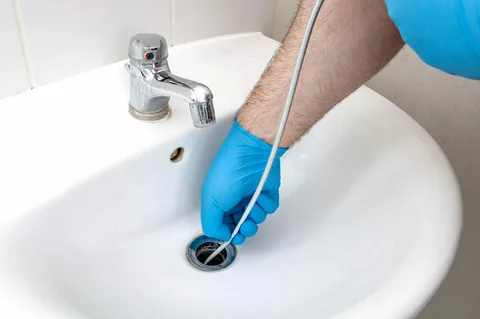
Avoid liquid drain cleaners when you can. They can harm pipes and make leaks worse over time. Use a plunger or a plumber’s snake for most clogs. For minor buildup, a mix of baking soda and vinegar can help. Pour hot water after the mix. These methods are safer for most homes.
Tools to keep at home
A small plunger for sinks and a flange plunger for toilets. A hand auger or snake for light clogs. A drain screen for each drain. A small bucket and gloves. These simple tools let you fix small clogs fast and avoid calls for minor jobs.
When to call a pro
Call a plumber when water backs up from multiple drains. Call when you smell sewage. Call if a clog returns after you clear it. If you see slow drains and a wet floor, call right away. For tough or repeated clogs, a pro can use a camera to inspect pipes and find the root cause.
How a pro helps
A licensed plumber can clear deep clogs and test the main line. They can remove roots and old scales. They can fix pipe sections and replace worn traps. They know local codes and safe methods. A pro prevents repeat trips and costly damage.
Seasonal checks and maintenance
Check drains each season for slow spots. Run hot water through the kitchen and bathroom drains monthly. Clean the garbage disposal once a month. Inspect hoses on appliances twice a year. A short routine keeps your system healthy and lowers repair bills.
Quick checklist before you call
Try a plunger and a hand auger. Check all nearby drains for slow flow. Turn off the water to the area if you see a leak. Take photos of standing water or damage. Note when the problem began. These steps help the plumber diagnose quickly.
Common mistakes that cause clogs
Putting grease down the sink. Flushing wipes and cotton. Using the disposal as a trash can. Letting hair pile up in the drain. Skipping regular cleaning of strainers. These habits add up fast.
Costs saved by prevention
A small check costs little. A yearly tune-up can stop big repairs. A clogged main line can cost thousands. Fixing it early saves money and time. These small acts protect your home.
How to pick a drain pro
Look for licensed plumbers and good reviews. Ask about tools like camera inspection. Get a written quote. Ask about follow-up and warranty. Local pros know local codes and pipe types.
FAQ’s
Q: Can I pour hot oil down the sink?
A: No. Hot oil cools and solidifies. It sticks to pipe walls and causes clogs.
Q: Will vinegar and baking soda clear all clogs?
A: No. They help with light build-up. Do not expect them to clear major blockages.
Q: How long does a pro visit take?
A: Many visits are one to two hours for basic clogs. Bigger jobs take longer and need a clear quote.