A plumbing inspection can find small problems before they grow. If you search for plumbers near me, you want to know what will happen. In Hawthorne, CA, a local pro will check the parts that fail most often. Want more tips? See our related posts at https://mrharrisplumbingandhandyman.com/blogs/
Why get a plumbing inspection
An inspection finds leaks, clogs, and safety issues. It can save money over time. It can help before you buy or sell a home. It can keep your water clean and your pipes working well. A yearly check is wise for many homes.
Scheduling and arrival
Call or book online. The pro will ask about your concerns. They will set a time and tell you the price or fee. On the day, expect the plumber to arrive with tools and ID. They will do a short walk-through and ask to see problem spots.
Initial walkthrough
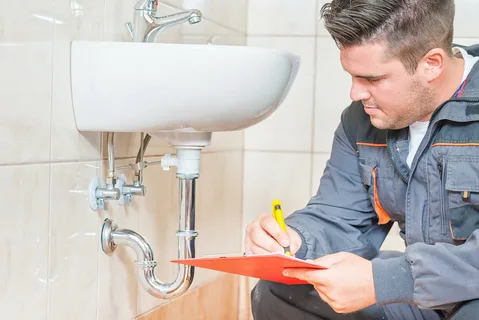
The plumber will tour the home. They will look at visible pipes, fixtures, and appliances. They may ask when the leaks or noises started. They will note drains, water heaters, and outside lines. This quick step guides the rest of the inspection.
What the plumber checks: fixtures and drains
They check sinks, tubs, showers, and toilets. They test how fast water drains. They look for slow drains and leaks under sinks. They check faucets for drips and loose handles. They test the garbage disposal and the dishwasher lines.
What the plumber checks: water heater and HVAC connections
They inspect the water heater for leaks, rust, or odd sounds. They check pressure relief valves and the drain pan. They test hot water flow and temperature. They look at connections to heating systems and tanks for gas leaks or wear.
What the plumber checks: pipes and valves
They inspect visible pipes for corrosion and loose joints. They check shut-off valves to make sure they work. They listen for unusual sounds in the walls. They may test pressure and flow at key points in the system.
What the plumber checks: outside and irrigation
They inspect hose bibs, irrigation lines, and the meter. They look for wet spots in the yard and low spots in the lawn. They test outdoor spigots and irrigation valves. They look for signs of underground leaks or broken lines.
Tools a plumber may use
A camera to view the inside of pipes. A pressure gauge to test water pressure. An infrared tool to find hidden wet spots. Leak detection gear to find slab leaks. Smoke or dye tests to check vents and traps. These tools speed the work and cut guesswork.
Special tests and camera inspection
For repeated clogs or sewer concerns, a camera may run through the main line. The camera shows roots, breaks, and buildup. The plumber will replay the video and explain the findings. This test costs more but gives a clear view of the problem.
Safety and gas checks
If you have gas appliances, the plumber will check connections. They will look for leaks and test vents. They take safety seriously. If they find a gas leak, they will advise the next steps and may call the gas company if needed.
How long does the inspection take
A basic inspection can take one to two hours. A full home inspection with cameras and tests can take longer. The time depends on the home size and the problems found. The plumber will tell you if more time or a return visit is needed.
Reports and documentation
After the inspection, you get notes or a written report. The report lists findings, photos or camera stills, and repair ideas. It may include an estimate for repairs. Keep the report for future work and for resale records.
Common findings and next steps
Common issues include slow drains, small leaks, worn valves, and low pressure. The plumber will suggest repairs or maintenance. Some fixes are quick. Others need more time or permits. Ask for a clear written estimate before work starts.
Preparing your home for the visit
Clear the area around drains and the water heater. Move boxes and rugs. Make sure the plumber can access basements and crawl spaces. Note where leaks began and any odd noises. Take photos to show the plumber if you can.
Costs and value
Inspections often have a fee, but the value can be high. Finding a small leak early can save hundreds. Camera inspections cost more but can avoid big repair bills. Ask the plumber about the fee and what it covers before booking.
Questions to ask the plumber
Will you give a written report? Do you carry insurance and a license? What tools will you use? Do you pull permits for larger work? How long will repairs take? Will you provide a warranty on repairs? These questions help you hire the right pro.
When to call a plumber after the inspection
Call if the plumber finds a big leak or gas issue. Call if you see mold or feel wet floors after the visit. Call if a repair fails or the problem returns. Keep the contact for fast follow-up and warranty work.
FAQ‘S
Q: Do I need to be home during the inspection?
A: It is best to be there to show problem spots and ask questions. If you give access, some pros will inspect without you present.
Q: How often do homes need an inspection?
A: Once a year is a simple rule for many homes. Older homes may need checks more often.
Conclusion
A professional plumbing inspection is a smart step to protect your home. If you search for plumbers near me in Hawthorne, CA, a local team can give a full check and a clear plan. Keep the report and ask questions. Early checks save money and stress. Visit our blog for more guides and local tips at https://mrharrisplumbingandhandyman.com/blogs/