
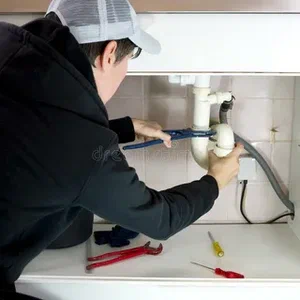
Plumbing is a skill that is always in demand. When homes or buildings need water lines, sinks, or toilets fixed, they call a plumber. But you can’t just grab tools and get to work. You need the right training and a license. This guide from Mr Harris Plumbing & Handyman shows how to become a licensed plumber in simple steps.
If you have ever searched for Emergency Plumbing Services Near Me, you already know how important good plumbers are. Let’s see how you can become one.
Step 1: Finish High School or Get a GED
The first step is school. You need a high school diploma or a GED. Why? Because you must know basic math, reading, and writing. These skills help you read plans, do measurements, and follow safety rules. Most training programs will ask for proof that you finished school.
Some schools also offer shop or trade classes. These teach you how tools work and give you a head start.
Step 2: Go to a Plumbing Trade School (Optional but Helpful)
You don’t need to go to a trade school, but it helps. These schools offer short programs in plumbing basics. You learn how to use tools, read blueprints, and fix common problems. Classes may last a few months or up to two years.
At trade school, you also learn safety rules. This matters a lot. Plumbing work can be risky. Schools teach how to work smart and safe.
When you apply for jobs or apprenticeships later, trade school makes your resume stronger.
Step 3: Apply for an Apprenticeship
This is where the real learning begins. An apprenticeship is a paid training job. You work under a licensed plumber and learn by doing. It lasts about four to five years.
During this time, you’ll:
- Help install pipes
- Learn how to fix leaks
- Practice using tools
- Study local plumbing codes
Each year, you gain more skills and take on more work. Your mentor will guide you and test your progress. Some unions or companies may help place you in a program. Be sure to apply early because slots fill fast.
Step 4: Log Your Work Hours and Classroom Hours
Most states ask for a certain number of hours before you can get licensed. You will need both:
- On-the-job hours (like fixing pipes or working at sites)
- Classroom hours (learning laws, safety, and math)
Keep records of all the work you do. Ask your supervisor to sign off on your hours. This proves you are ready for the license test later.
Some programs include these classes as part of the apprenticeship. Others may ask you to take them at a local school or training center.
Step 5: Pass the Plumbing License Exam
When your training is done, it’s time for the big step — the license test. This test checks your:
- Knowledge of plumbing rules
- Skill in reading blueprints
- Understanding of safety laws
You may also be asked to take a practical test where you show your hands-on skills. The exam format depends on your state. Most states also ask you to pay a small fee.
Passing the test means you are now a licensed plumber. You can work on your own, open your own business, or join a company like Mr Harris Plumbing & Handyman.
Step 6: Keep Your License Active
Getting the license is not the end. You must renew it every few years. Some states ask for more classes or tests to keep your skills fresh. This is called continuing education.
Check your local plumbing board for the rules. If you move to a new state, you may need to apply for a new license there.
Step 7: Grow Your Career
Once licensed, you can work in homes, offices, or factories. You can also choose to:
- Start your own plumbing business
- Become a master plumber
- Train new apprentices
Working with Mr Harris Plumbing & Handyman, for example, gives you steady work, support, and a trusted brand name. As you grow, you build a strong future in the trade.
Why Licensing Matters
When people search for Emergency Plumbing Services Near Me, they want someone skilled and safe. A license proves you are trained and trusted. It also protects you and your clients. Many states will fine or stop people who work without a license.
Licensed plumbers get better jobs and better pay. They also earn the trust of customers faster.
How Mr Harris Plumbing & Handyman Supports New Plumbers
At Mr Harris Plumbing & Handyman, we know the value of good training. Many of our plumbers started as apprentices and grew with us. We help them learn, work safely, and gain hands-on experience.
If you dream of becoming a licensed plumber, we are here to help guide your path. With the right steps, hard work, and training, you can join a trade that helps people every single day.
FAQs
How long does it take to become a licensed plumber?
It usually takes 4 to 5 years. This includes your apprenticeship and classes. After that, you take the license exam.
Can I become a plumber without trade school?
Yes, but trade school helps. It gives you basic skills and makes it easier to find an apprenticeship.
Do plumbers make good money?
Yes. Plumbers are always in demand. Licensed plumbers earn more than unlicensed ones. Pay also grows with experience.
What if I fail the plumbing license test?
Don’t worry. You can take the test again. Use the time to study more. Many people pass on their second try.