Hidden plumbing leaks can cause big damage over time. You might not see water at first. A small drip behind a wall can waste lots of water. This guide will help you find leaks before they get worse. It is written in simple language. It follows a Hemingway grade 4 style. Each heading has a short paragraph. There are no bullet points.
Listen for Drips and Runs
Hang around your pipes in a silent manner. Switch off all switches on and tap off all taps. It might sound like a leak in case you hear a slight drip or a running sound. Little drip of water can also spell a lot of wastage. Go into rooms with plumbing. Watch walls, ceiling and floors. A low sound is an indication of a leak that can be hidden.
Check Your Water Meter
The water meter shows how much water you use. First, turn off all taps and fixtures. Then look at the meter. Wait fifteen minutes without using any water. Check the meter again. If the number moves, water is still flowing somewhere. That flow could be a hidden leak in a pipe.
Watch for Extra Moisture
Water is able to be absorbed by the surrounding material. Inspect walls or ceilings carefully to check on wet spots. Touch the ground around the sinks and toilets. A little moisture may indicate a leak. Even the tiniest little wet spots count. Move quickly in case you see added moisture.
Look for Stains and Discoloration
Dry walls change color when wet. Check for yellow or brown stains. Old leaks leave marks that grow over time. A stain might start small, then spread. Keep an eye on walls under sinks and near water lines. Discoloration is an early warning sign.
Inspect Paint and Wallpaper
Painting has got the ability to bubble and peel when caught wet. Wallpaper can peel out. Wall coverings that are soft or wrinkled are an indication that water is trapped. Apply the lightest touch possible on the area. In case it is soft or spongy, it may be the case of a leak.
Test Under Sinks
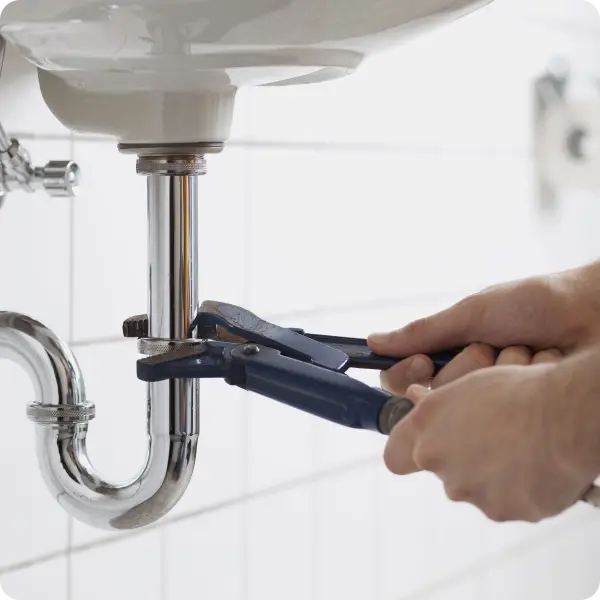
Under the kitchen and bathroom sinks, look at pipes and fittings. Place a paper towel under the pipes for one hour. Check if it is damp or wet. A damp towel shows a hidden drip.
Monitor Your Water Bill
A sudden rise in water cost is a clue. Compare bills month to month. If you use the same amount of water but pay more, a leak might be at fault. Keep bills to track any change.
Check Around Appliances
Some of the appliances such as dishes, washers and washing machines also consume water. Check their hoses and valves. Examine the places that are wet or rusty. Even the tiny pore in a hose may burst. A leakage around these machineries may be concealed until such time it floods.
Scan Your Floor
Water drips can pool under floors. Feel for soft spots when you walk. A floor that bends or feels damp is a sign. Tiles can crack from water below. Wood can warp and swell.
Use a Moisture Meter
A moisture meter is cheap and easy. Press it against walls and floors. It shows moisture levels. High readouts mean water is present. You can rent one at a hardware store.
Watch for Mold and Mildew
Mold grows where it is damp. If you see black or green spots on walls, mold might be feeding on moisture. Mildew has a musty smell. This can harm your health. Find the leak, then clean mold.
Examine the Roof and Attic
Leaking pipes in the attic drip down walls. Go into the attic when the sun is bright. Look for dark spots or damp insulation. A hidden pipe leak can mimic a roof leak. Be sure it is the plumbing before calling a Plumbing Repair Services In Hawthorne, CA.
Check Exterior Walls
Pipes in exterior walls can hide leaks too. Look outside at the siding or brick. Stains or peeling paint can start on the outside. If a corner of the house is wet, a leak might be inside.
Fix the Leak and Dry the Area
Once you find the leak, repair it right away. Dry the wet area to stop mold. Use fans and dehumidifiers. Check the spot for a week. Make sure it stays dry.
Prevent Future Leaks
Inspect pipes once a year. Tighten loose fittings. Replace old hoses. Keep drains clear. Simple care can stop hidden leaks before they start.
Hidden leaks can hurt your home and your wallet. Use these tips to find leaks early. Act fast to save water and avoid repair costs. A small drip today can become a big problem tomorrow. Stay watchful and protect your home.